How to Stop Making Websites That Look Like Generic AI Templates
Familiar situation: you ask an AI to whip up a landing page, and it spits out yet another clone with a centered headline, a massive hero image, and three benefit icons? Everything looks neat, but it all has that same "plastic" feel. This effect already has a name — AI slop.
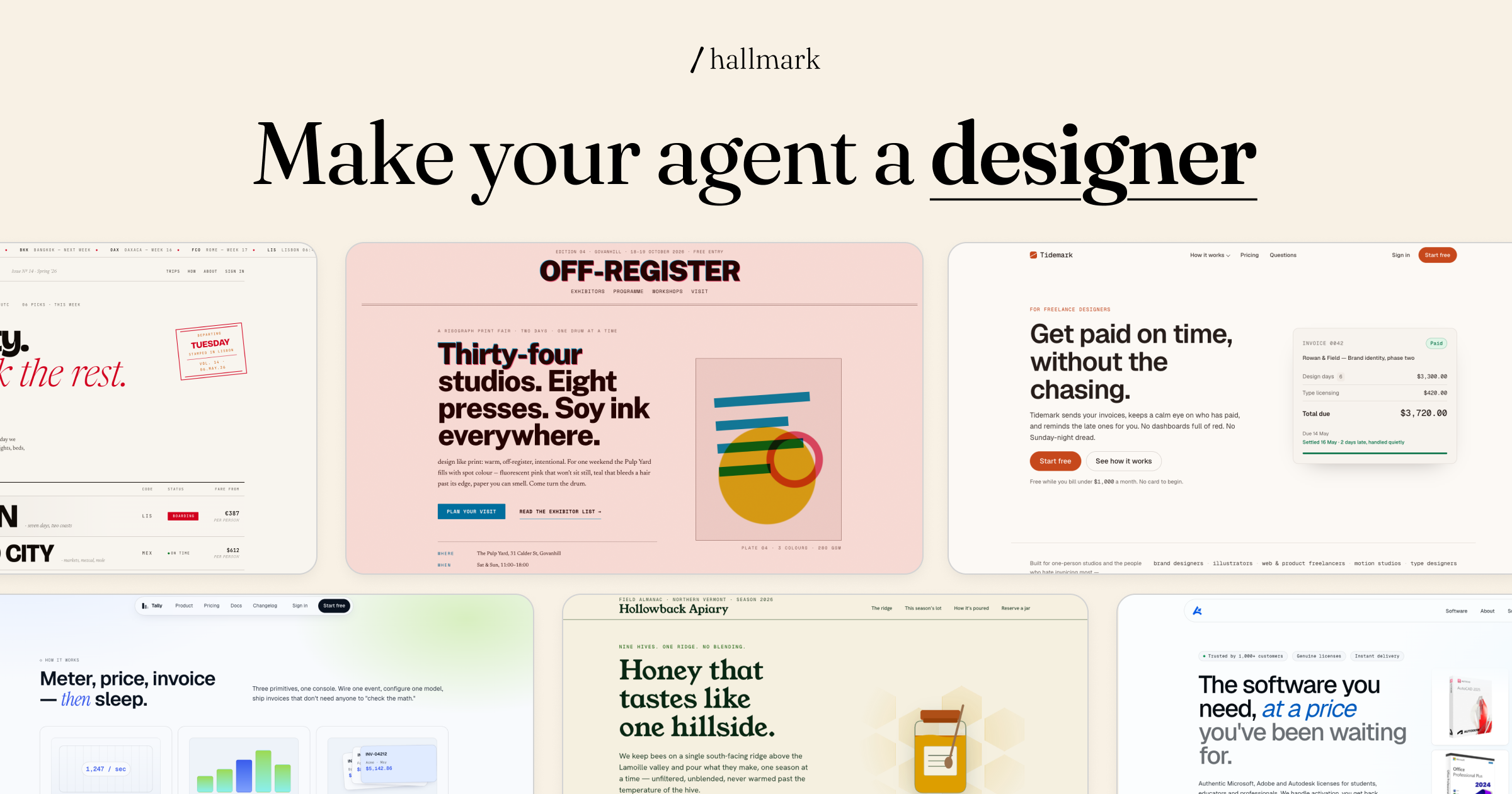
Recently I came across Hallmark. It's not just a code generator, but a skill (addon) for popular AI editors like Cursor, Claude Code, and Codex. The main selling point of the project is aggressive resistance to the standard patterns that language models are trained on. Instead of spitting out an internet average, the tool deliberately seeks out unique structures and styles.
What's under the hood at Hallmark
The developers at Together AI decided to go the opposite way. Instead of traditional prompting, they implemented a system of 57 checks ("slop-test gates"). These are filters that weed out overused solutions. If a model tries to propose a standard "hero" block, the system forces it to redo the layout until it looks like work from a living designer.
Interestingly, Hallmark doesn't use ready-made templates. It selects a macro-structure for a specific brief and "dresses" it in one of twenty themes. Two different tasks will produce two different websites, not just a color palette swap.
Four operating modes
The tool is controlled via simple commands. I've identified two most useful scenarios for myself, besides regular generation.
The first is hallmark study. You feed it a screenshot or link to a site you like. Hallmark doesn't make a pixel-perfect copy (which usually looks pathetic), but extracts the design's "DNA": typography, anchor colors, and block construction logic. The output is a design.md file that you can give to any AI as a guidebook.
The second is hallmark audit. If you already have code, the tool runs it through its "AI slop" tests and gives you a list of edits. It won't edit the code itself to avoid breaking anything, but it will definitely point out where the design looks too predictable.
There's also redesign, which completely rebuilds the page structure while preserving your text and branding. This is handy when an old landing page has gotten stale and you want a fresh perspective without changing the content.
Examples of what it produces
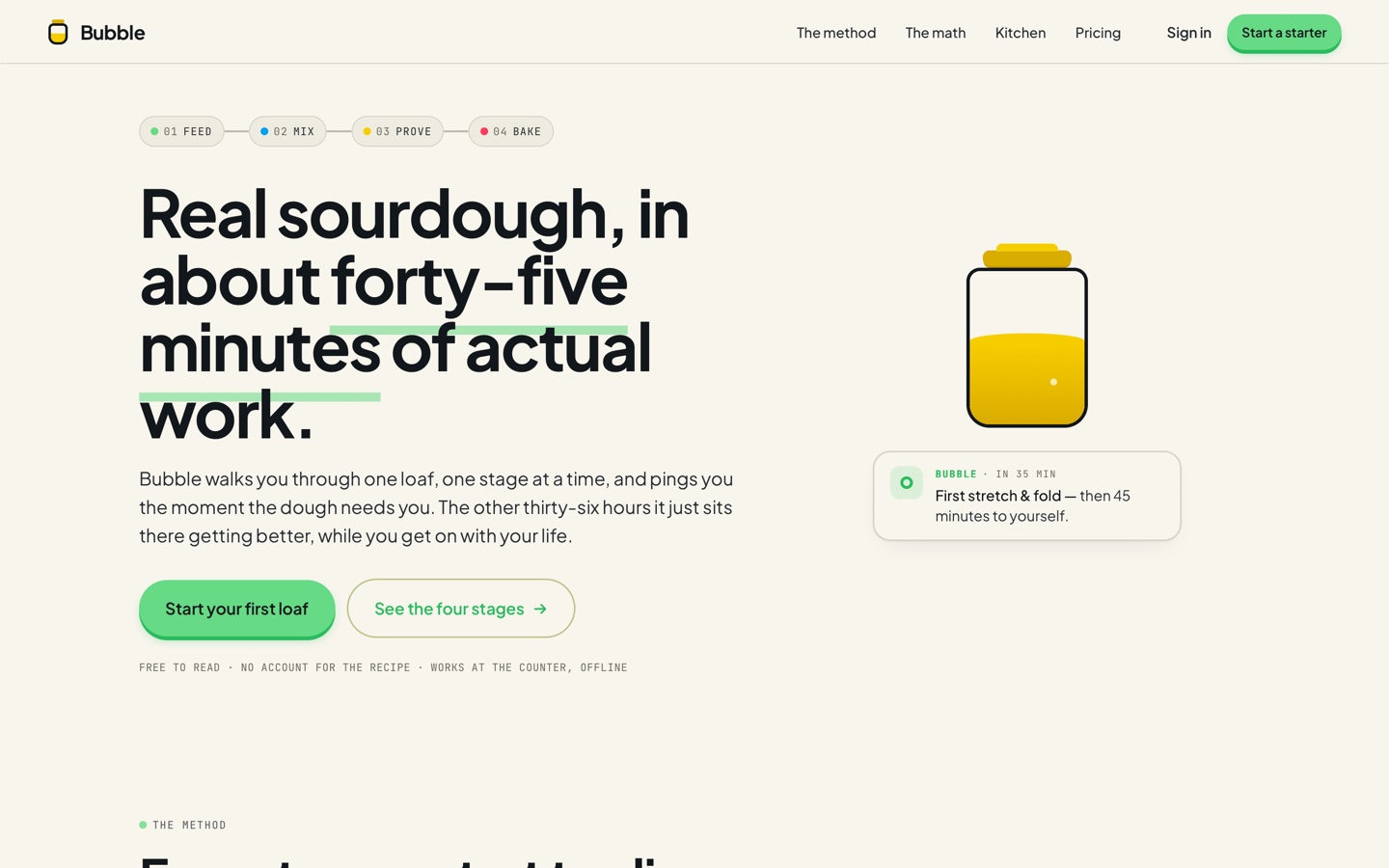
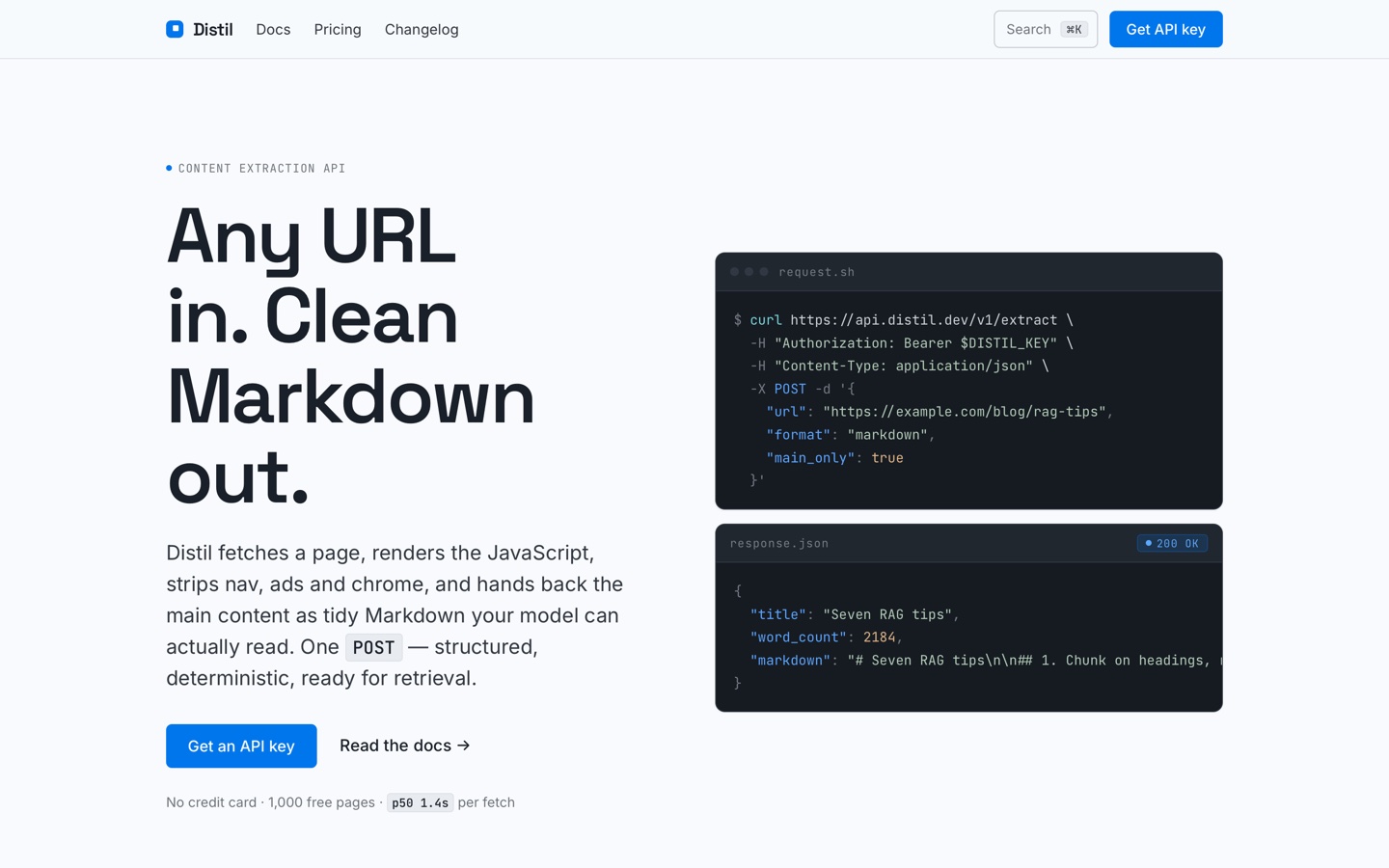
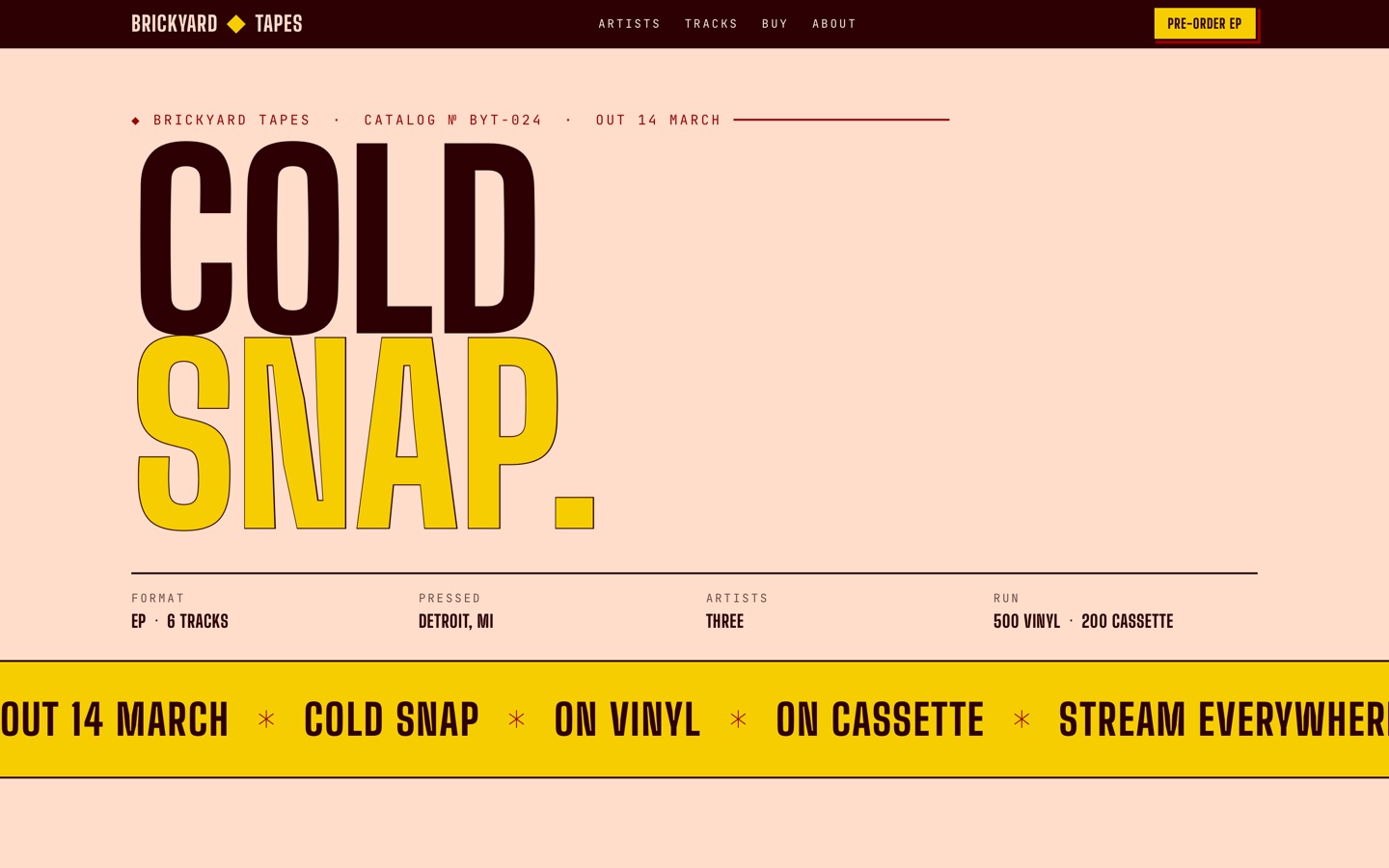
The repository has plenty of examples, and they really are different. There are strict minimalist interfaces for SaaS, and there are almost "craft" pages for small farms or music labels.
 |
 |
 |
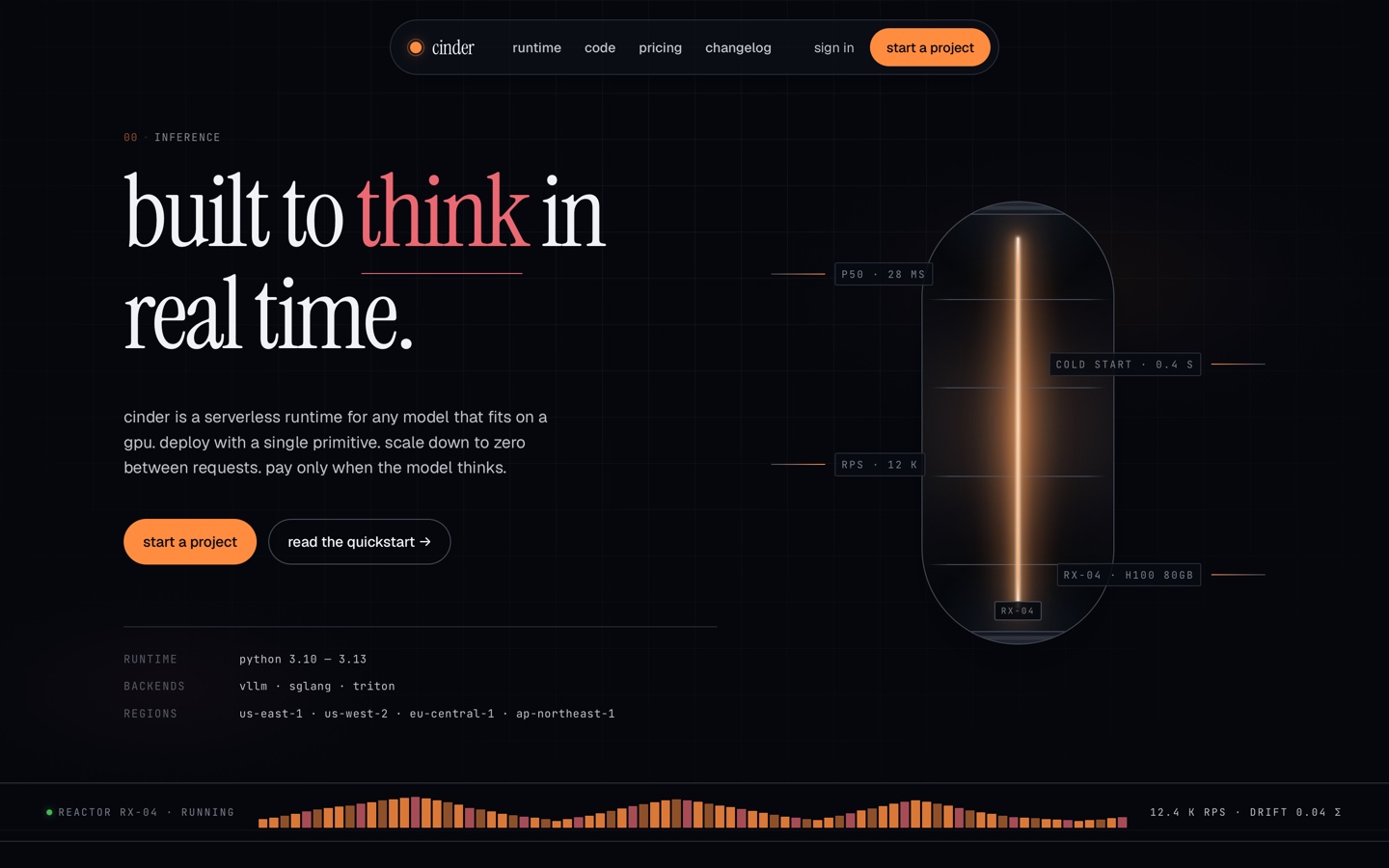 |
If none of the standard themes fit a client's wild idea, Hallmark switches to Custom mode. In this case, it designs the palette and grid from scratch, without relying on pre-made rule sets.
How to get it running locally
Integration is pretty straightforward. The fastest way is via npx:
npx skills add nutlope/hallmark
After that, files will appear in the necessary folders. If you're using Cursor, the rules will be pulled into .cursor/rules/hallmark.mdc. For Claude Code or Codex, the paths differ slightly, but the general principle is the same: you add a set of instructions (SKILL.md) and a references folder to your working directory.
The entire project code is open under the MIT license. You can safely fork it, modify the rules for your needs, or use it in commercial projects.
Who will find this useful
I wouldn't say Hallmark will replace a professional designer on a complex project. But if you're a backend developer who needs to quickly put together a decent admin panel or landing page for a pet project, this is a lifesaver. The site won't scream that it was made by ChatGPT in 5 seconds.
The tool is also great for rapid prototyping. Instead of fiddling around in Figma, you can sketch out several structural variants right in code and see which "vibe" fits the product better.
Of course, sometimes Hallmark can overdo it and produce a solution that's too bold, which you'll need to refine manually. But it's still better than seeing the same templated layout for the hundredth time. If you're tired of AI design monotony, Hallmark is definitely worth adding to your arsenal.
Related projects