How to Track Satellites Right from Your Phone and Why You Should Check Out Look4Sat
Right now, thousands of satellites are flying overhead. The ISS, NOAA weather satellites, Starlink constellations, amateur radio CubeSats. If you've ever tried to capture images from a weather satellite on a cheap SDR receiver or communicate through an orbital repeater, you know the main problem: you need to know exactly when a satellite will rise above the horizon, what trajectory it will follow, and what frequency it transmits on.
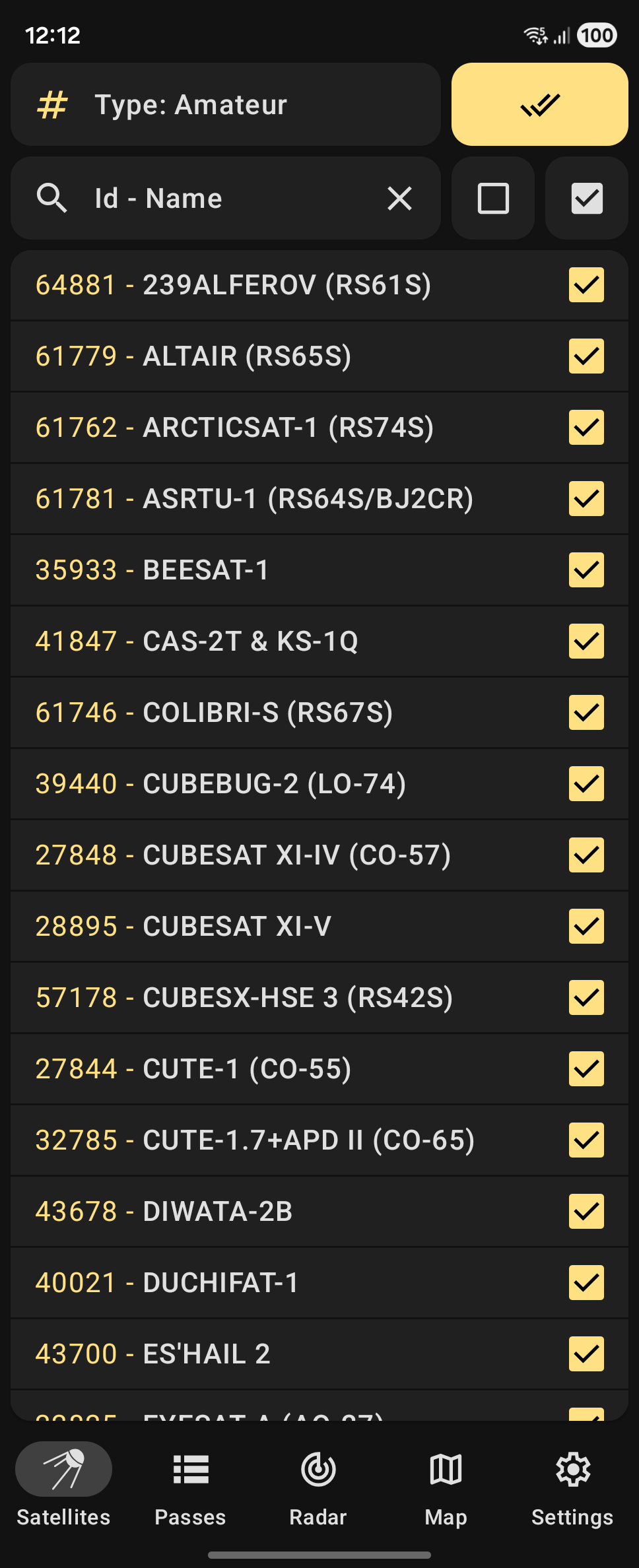
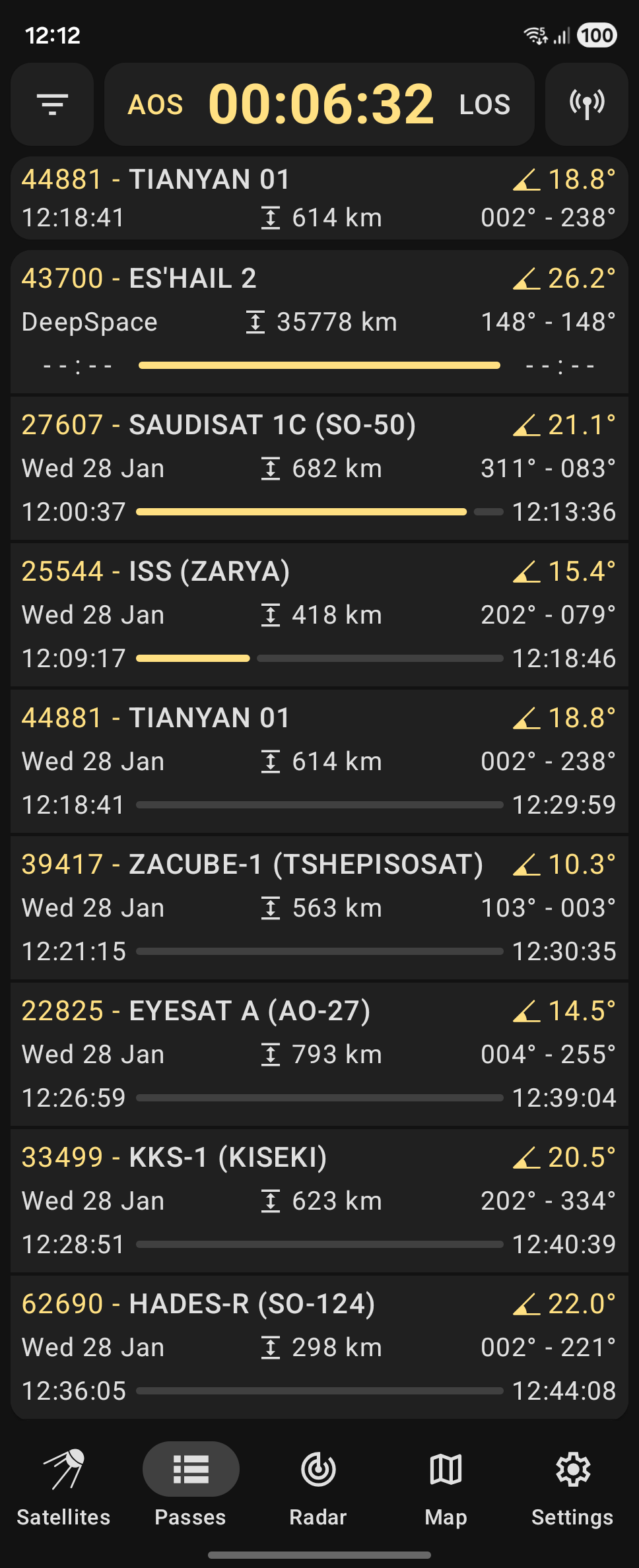
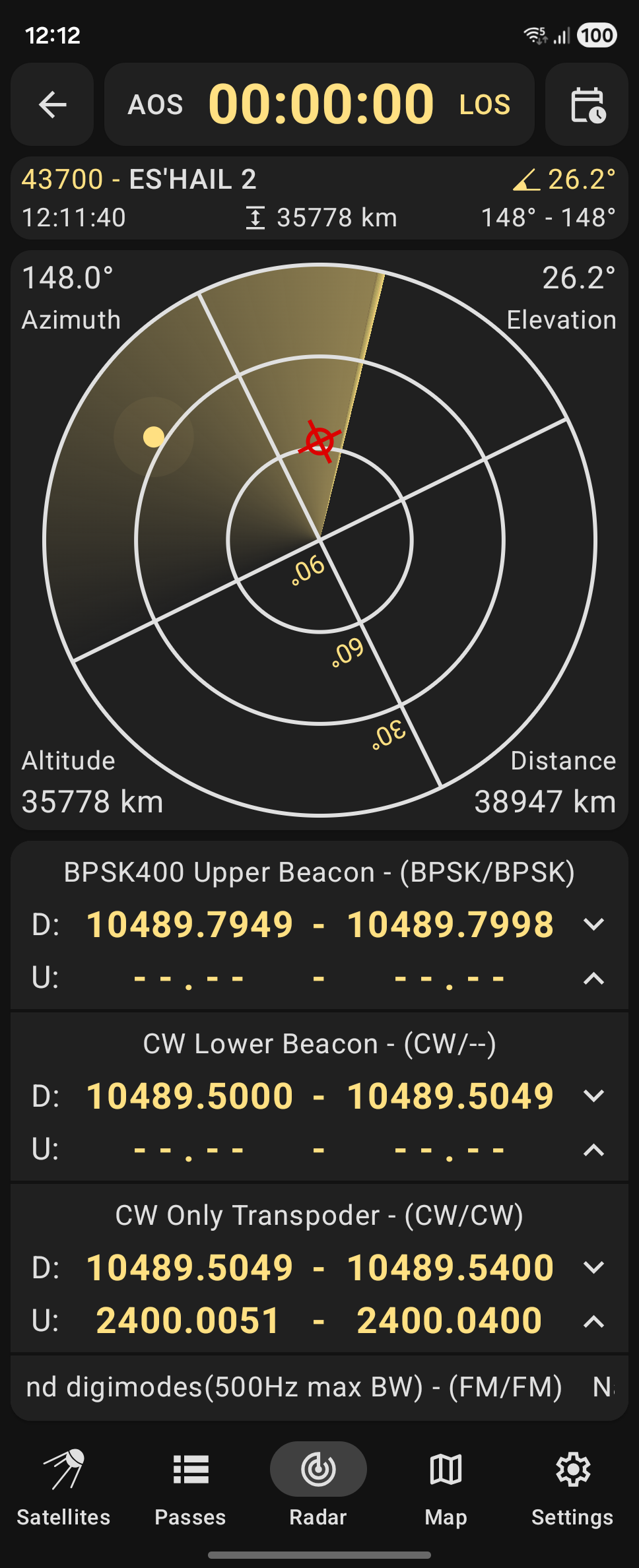
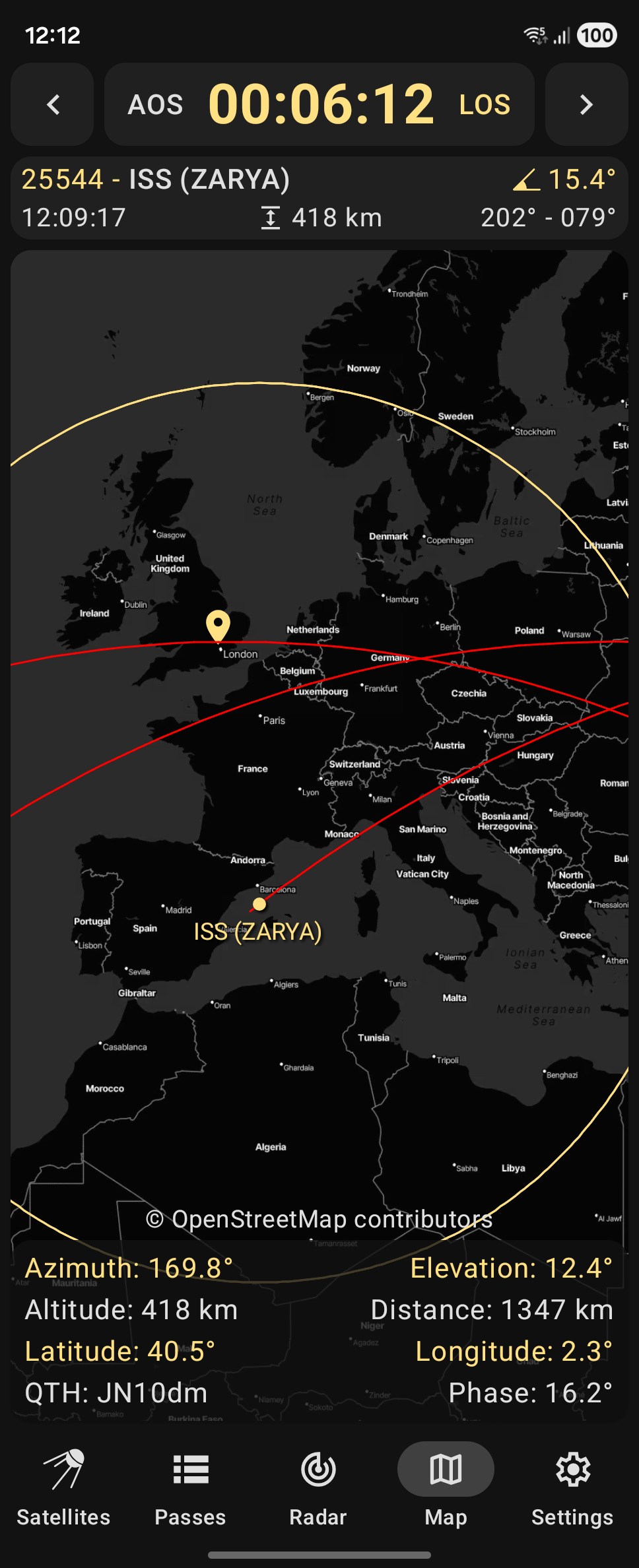
Gpredict has long been the desktop standard. But hauling a laptop around in the field or onto the roof for a five-minute communication window isn't convenient. The Look4Sat repository solves this for Android. It's an open-source satellite tracker built with modern Kotlin that is fully autonomous and doesn't require a constant internet connection during operation.
What the app can do
Look4Sat pulls orbital data from the public Celestrak and SatNOGS catalogs. The database covers over nine thousand active objects. You can find the satellite you need by name or NORAD catalog number.
After setting your coordinates, the app calculates pass schedules:
- Visibility forecasts for satellites up to 10 days ahead.
- Polar trajectory calculation accounting for azimuth and elevation angle.
- Display of radio visibility footprint and ground track projection on a world map.
- Data on active radio transmitters and frequencies for receiving telemetry or voice.
- Import of custom orbital elements in TLE format from local text files.
The main feature of the app is the offline-first concept. You can update the TLE database at home over Wi-Fi, then head out to the woods where there's no cellular service. All ballistic calculations are performed locally on the phone's processor, relying on the smartphone's GPS module or preset observation coordinates.
Under the hood: modern Android stack
From a code perspective, Look4Sat is a great example of what a modern Android application without legacy should look like. The repository appeared in 2019 and has gone through a quality evolution:
- Language and multithreading: pure Kotlin and coroutines. Calculating orbital mechanics for hundreds of objects simultaneously requires resources, and computations are carefully moved off the main UI thread.
- User interface: Jetpack Compose with Navigation Compose. No bulky XML layouts or bloated list adapters.
- Cleanliness and openness: GPL-3.0 license, no ads, analytics trackers, or paid subscriptions. Builds are distributed not only through Google Play, but also through F-Droid.
// Внутри репозитория можно подсмотреть, как организована
// математика предсказания траекторий на основе SGP4/SDP4 моделей
// и связка с локальными базами данных
If you develop for Android and want to see a real example of architecture with Jetpack Compose, complex custom Canvas implementations for polar charts, and background calculations—the project source code is easy and clear to read.
Who will find Look4Sat useful
The first category is radio amateurs and SDR enthusiasts. If you have an RTL-SDR for a few thousand rubles and a simple homebrew antenna, you can receive fresh images of Earth from NOAA-15, 18, 19 satellites or weather data from Meteor-M series spacecraft. Look4Sat shows the exact start and end time of communication sessions, as well as the maximum altitude above the horizon: the higher the angle, the cleaner the signal you'll record.
The second audience is astronomy enthusiasts and night sky observers. The app makes it easy to track ISS passes or Starlink "trains."
The third group is developers interested in satellite navigation, ballistics, and mobile development. The app demonstrates how to package complex astrodynamic calculations into a lightweight interface without FPS drops.
Where to start
The source code is on GitHub under the GPLv3 license. The project is actively maintained by the author (rt-bishop) and the community: commits come regularly, and open issues in the issue tracker are quickly addressed.
You can build the project the standard way through Android Studio by cloning the repository:
git clone https://github.com/rt-bishop/Look4Sat.git
For everyday use, it's easiest to install the binary from Google Play or F-Droid, update the TLE database in settings, and set your home location. Weekly orbital data updates are usually enough to keep prediction errors within a couple of seconds.
Ähnliche Projekte