How to Build a Five-Fingered Robotic Hand for Three Hundred Dollars
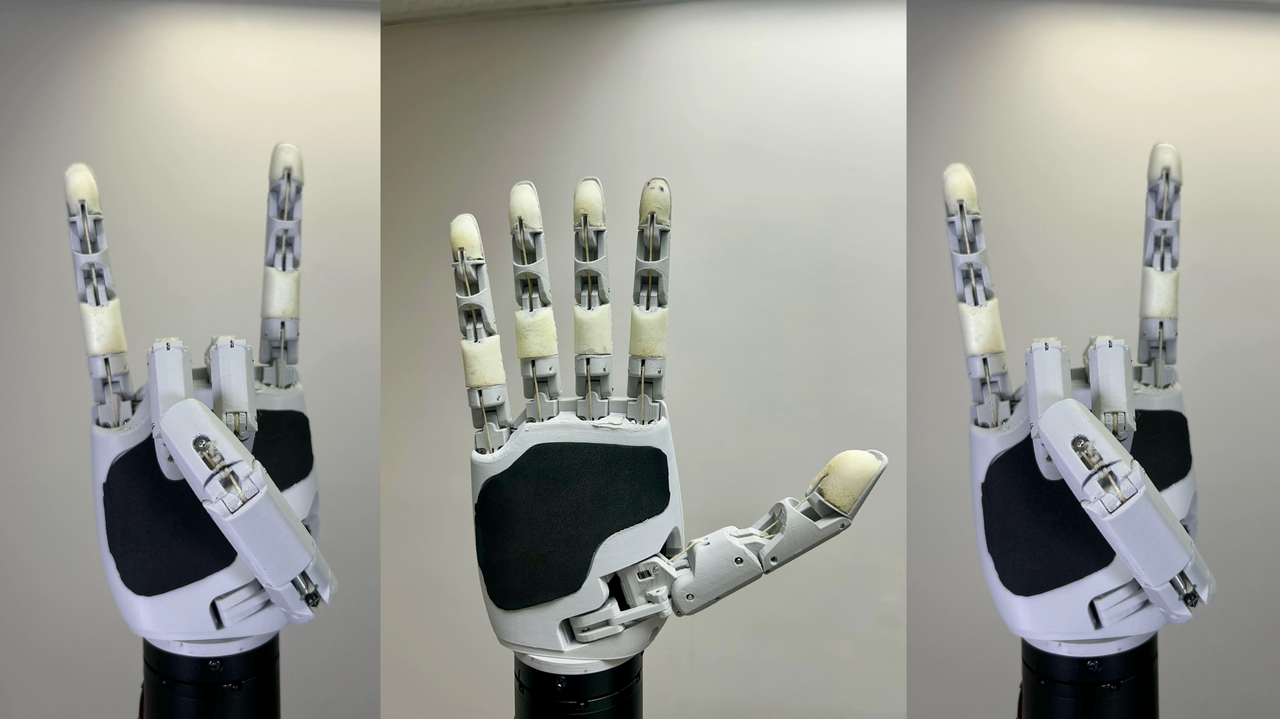
If you've ever tried to build a robot manipulator, you know the main pain point: industrial arms cost like a used car, while cheap hobbyist claws made of acrylic can barely squeeze a plastic cup with unpredictable force. When you need to explore complex motor skills or train neural networks to grab objects of different shapes, you hit a dead end.
Recently, the TetherIA team released the Aero Hand Open project on GitHub. The team developed a five-fingered tendon-driven hand that can be 3D printed on a standard home printer and assembled from readily available components for roughly $314.
What the hand is
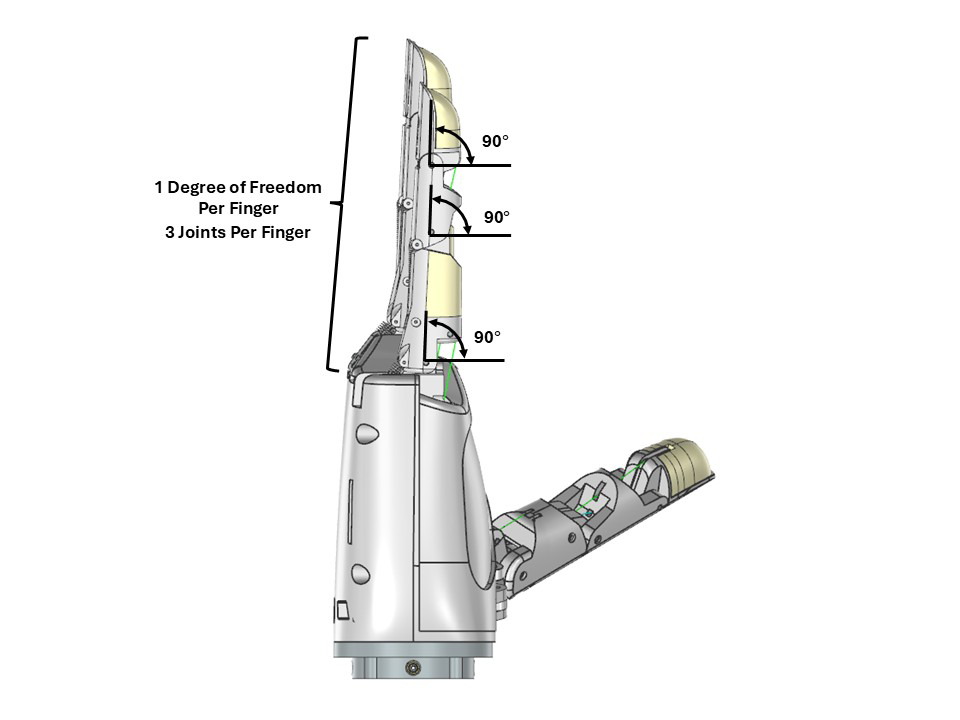
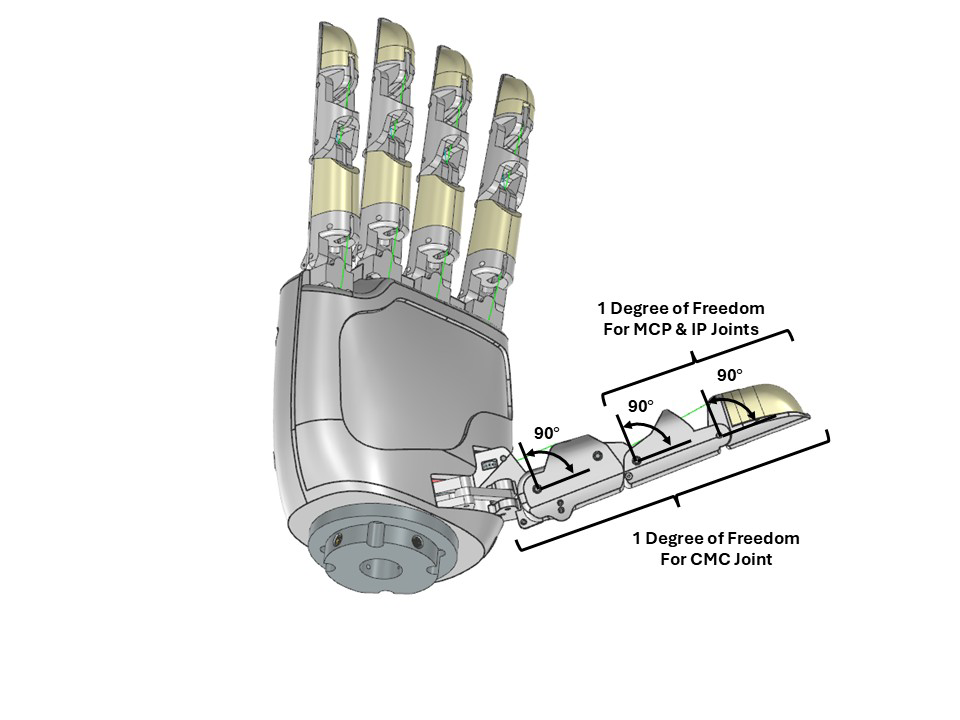
It follows a classic anatomical layout: five fingers, 16 joints, and 7 degrees of freedom. The entire structure weighs 389 grams. For comparison, an adult human hand weighs approximately 400 grams, so the model turned out well in terms of size and weight.
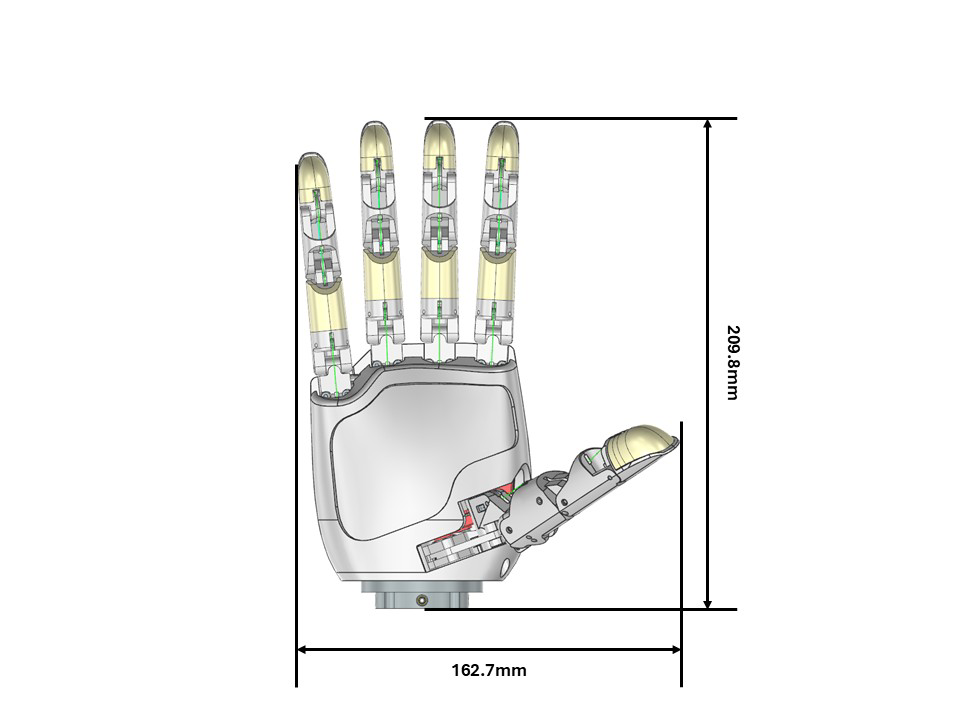
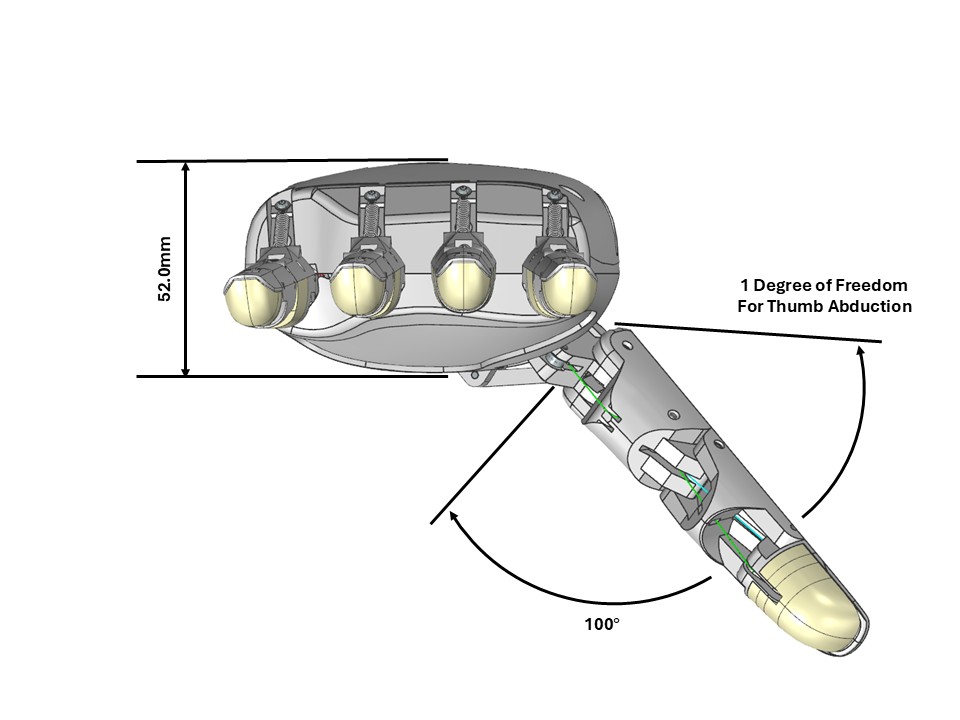
Instead of placing heavy servomotors directly in the finger phalanges, the authors used a cable system. The motors are hidden in the base, and force is transmitted through tension in synthetic tendons. This unloads the moving parts of the fingers and makes movements smoother, without the sharp impacts of gears hitting their stops.
Hardware and printing
The repository contains a complete package of design documentation. The part source files are open in Onshape, and STEP files along with ready-made print profiles are provided for local work. The authors tested printing on a Bambu Lab X1C with a 0.4 mm nozzle using standard PLA with tree supports.
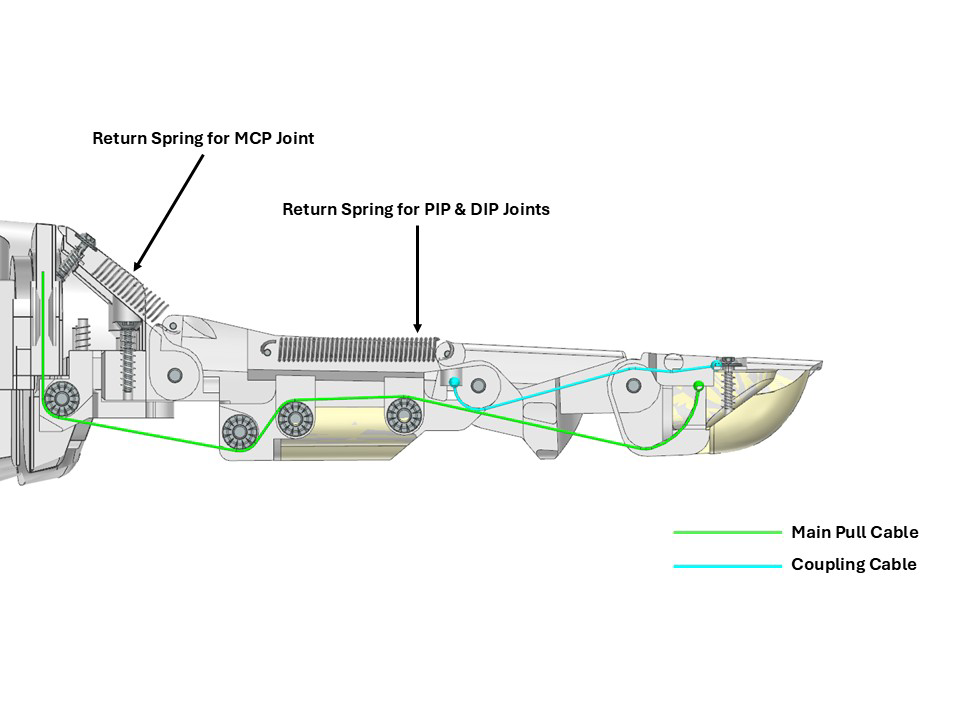
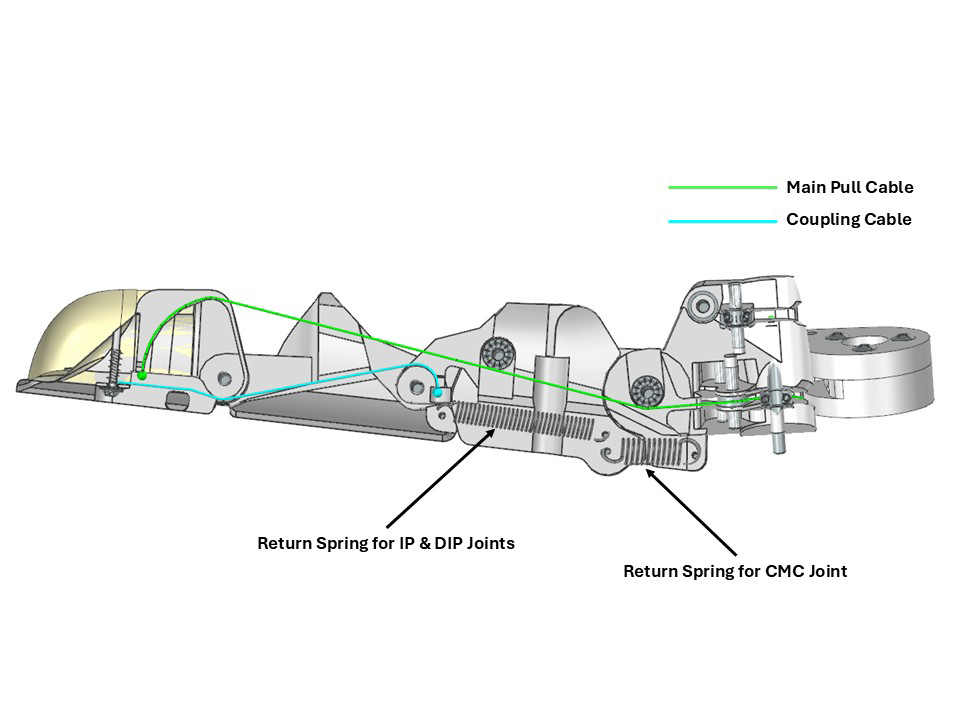
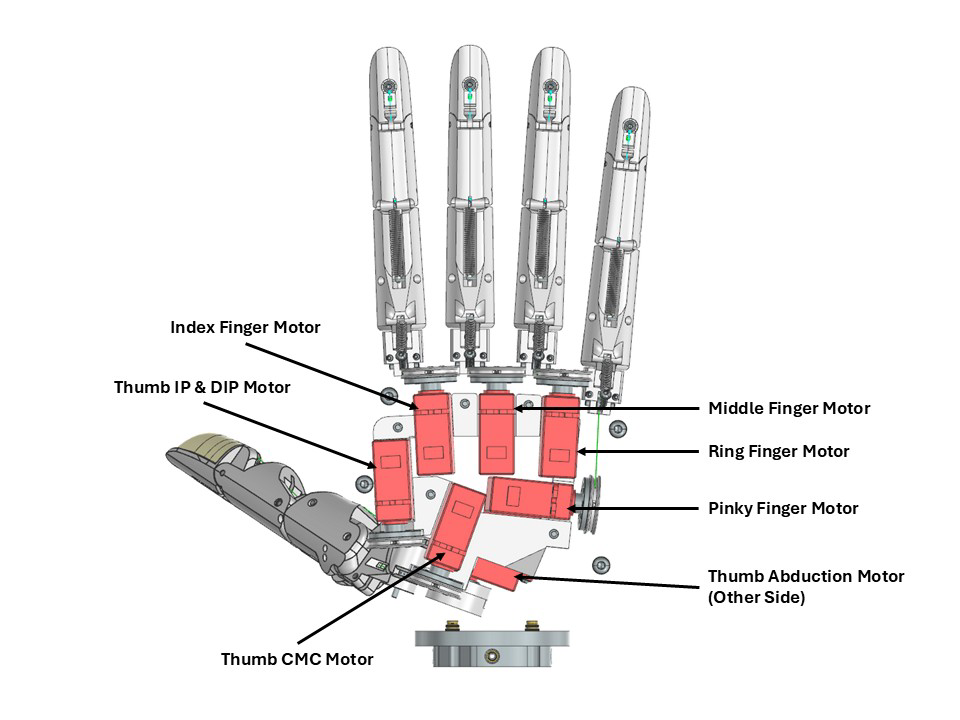
Each finger assembles as a separate module and then snaps into the palm. If a phalanx breaks during testing, you won't need to disassemble the entire hand—just remove the damaged finger, replace the part, and re-adjust the cable tension.
The electronics folder contains KiCad board source files, Gerber files, and a component bill of materials. Everything is controlled by an ESP32 microcontroller.
Software stack and control
You can work with the hand at different levels of abstraction. For a quick start, the authors wrote a compact Python SDK. After connecting the board via USB, basic gestures are launched with literally one command:
python run_sequence.py
The SDK already has common trajectories built in: pinch, open palm, fist, and peace sign.
If you're building something more serious than a home manipulator, the repository includes ready-made nodes for ROS2 Humble. They accept control signals and output telemetry on angles and cable tension.
Simulation and reinforcement learning
Physical hardware is temperamental. Before running real servomotors for hours, motor control algorithms are usually trained in a virtual environment.
The project includes accurate models for the MuJoCo simulator. The integration with the mujoco_playground library lets you train neural network policies for object grasping via Reinforcement Learning directly on a GPU, then export the learned weights to ROS2 and try them out on the real manipulator.
Pitfalls
No matter how polished the project looks, it's important to understand the limitations of open-source hobbyist robotics:
- Cables tend to stretch over time. You'll need to periodically tighten the tensioners, otherwise finger movement accuracy will start to drift.
- PLA is sensitive to heat. If the servomotors inside the palm operate under constant load without breaks, the plastic motor housings may start to "warp."
- The license is split: code (SDK and firmware) is released under the permissive Apache-2.0, but the 3D model and board files are under non-commercial CC BY-NC-SA 4.0. This means you can freely print and assemble a hand for personal use or a thesis project, but selling finished printed hands without approval from TetherIA is not allowed.
Is the project worth tackling
Aero Hand Open is a great fit for students, research engineers, and makers who want to experiment with dexterous manipulators and teleoperation but aren't ready to spend thousands of dollars on industrial solutions.
To get started, you'll need: a 3D printer with a build area of at least 200x200 mm, a standard hardware kit, motors from the BOM list, and an evening of free time for carefully routing tendons through the joints. Full assembly and calibration instructions are available on the project's documentation page.
Ähnliche Projekte