Identify Birds by Voice — How whoBIRD Turns Your Smartphone into an Ornithology Lab
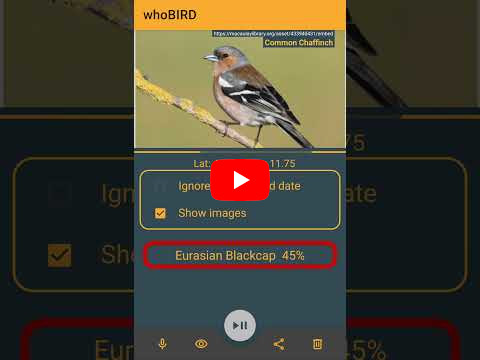
Imagine: you're in a forest, hearing beautiful bird songs, but can't figure out who's singing. Previously, identifying bird species required field guides and experience, but now all you need is a smartphone with the whoBIRD app. This project is a vivid example of how technology can make science accessible to everyone.
What's Hidden Behind the Simple Interface?
whoBIRD is an Android application that uses machine learning algorithms to recognize over 6,000 bird species by their voices. The project is based on BirdNET technology, which developer woheller69 adapted for mobile devices.
What makes it stand out:
- Works offline — no internet connection required after downloading the models
- Real-time processing — audio analysis happens instantly
- Global database — recognizes birds from all over the world
- Flexible settings — filters, detection thresholds, saving recordings
How It Works in Practice
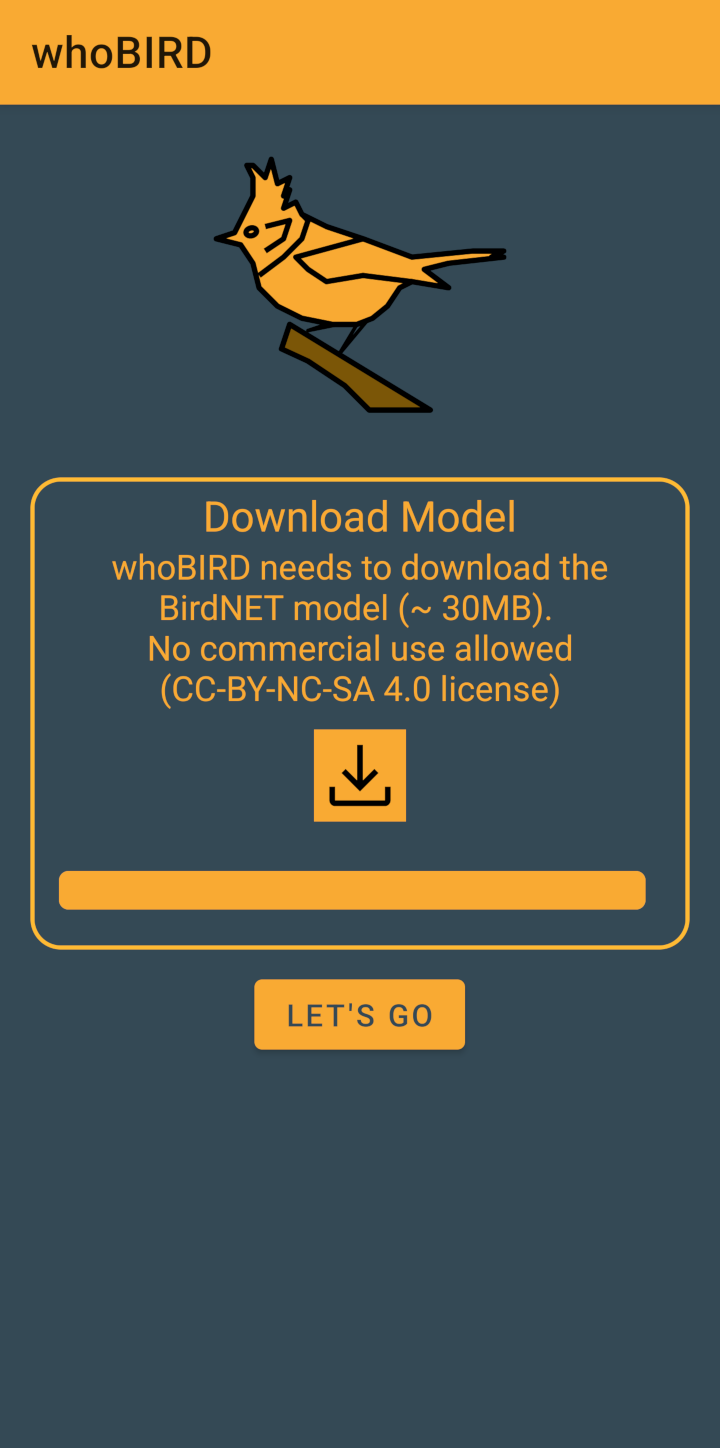
After installation (the app is available on F-Droid), whoBIRD downloads the necessary machine learning models. Then everything is simple:
- Open the app
- Point the microphone toward the sound
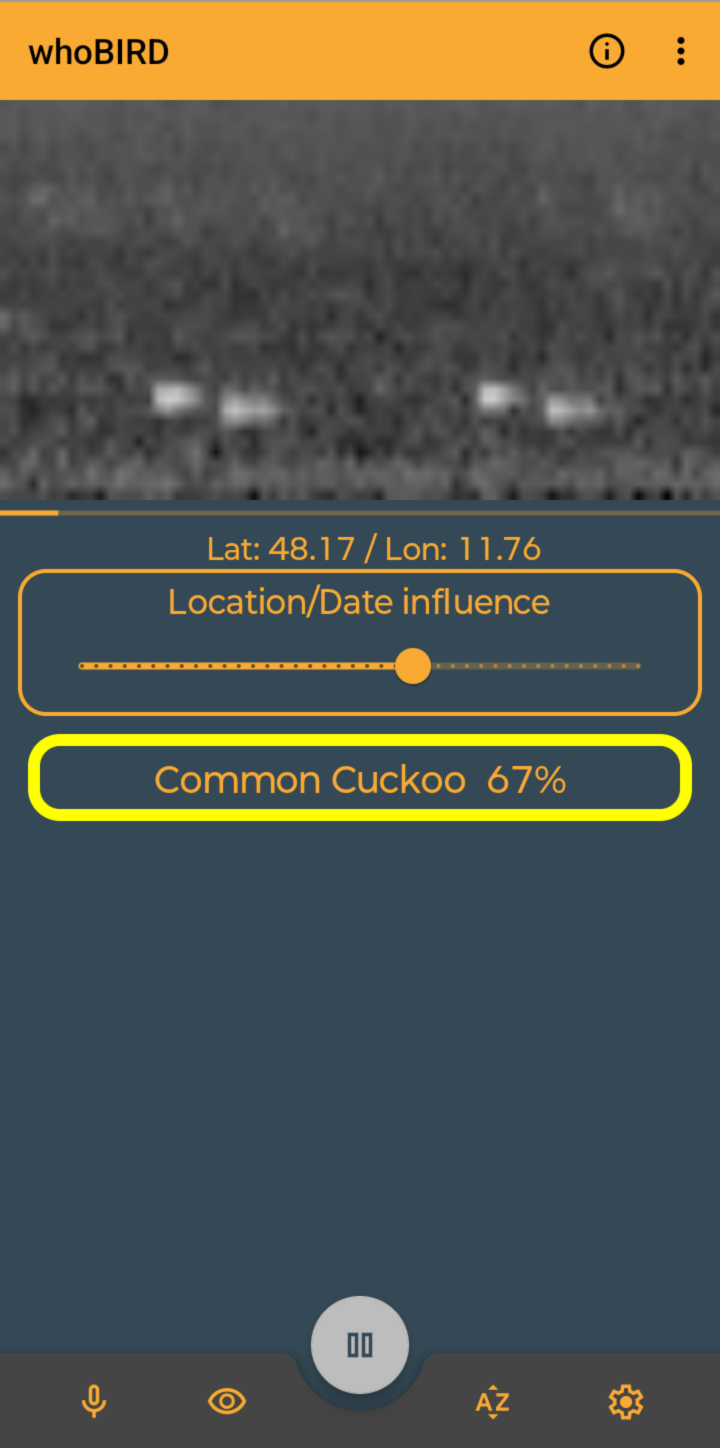
- Get the bird's name and additional information
Technical Features That Impress
Under the hood, whoBIRD uses:
- TensorFlow Lite for running neural network models on the device
- Custom filters for cleaning audio from noise
- Geographic location and seasonal data to improve accuracy
Particularly interesting is the "Weighted Meta Model" option, which improves recognition of migratory birds by analyzing their possible presence in different seasons.
Who Will Find This Useful?
- Amateur ornithologists — for keeping observation journals
- Wildlife photographers — to find rare species
- Biology teachers — as a visual teaching aid
- Developers — an example of well-implemented ML on mobile devices
Personal Experience
Tested the app in a forest near Moscow — it identified a chaffinch and a great tit on the first try. The accuracy is impressive, especially considering background noise. Though for rare species, it's best to use additional sources for verification.
whoBIRD is a great example of practical machine learning application. The project is open source (GPLv3 license), actively developed, and has already gathered almost 600 stars on GitHub. If you're even slightly interested in nature — it's worth trying.
P.S. The developer accepts coffee donations — a good reason to support a useful project!
Related projects