Alerta — Centralized Alert Monitoring Without the Headache
Imagine this: you have dozens of services, each sending alerts in its own format. Grafana alerts here, Zabbix triggers there, custom scripts in a third place entirely. How do you keep control over this stream? Meet Alerta — a system that turns alert chaos into an organized workflow.
What is Alerta and Who Is It For?
Alerta is an open-source platform for alert aggregation and management. It was created for three key purposes:
- Scalability — works in distributed systems
- Minimal configuration — accepts alerts from any source
- Visibility — a convenient dashboard with detailed views
Ideal for:
- DevOps engineers tired of alert spam
- Teams with complex microservice architectures
- Those who want a single entry point for monitoring
5 Reasons to Try Alerta
-
Universal alert receiver Supports Webhook, Email, SNMP, and many ready-made integrations. Connect once — receive all notifications in one place.
-
Flexible processing rules Duplicate alerts? Irrelevant events? Configure filters and correlation rules to suit your needs.
-
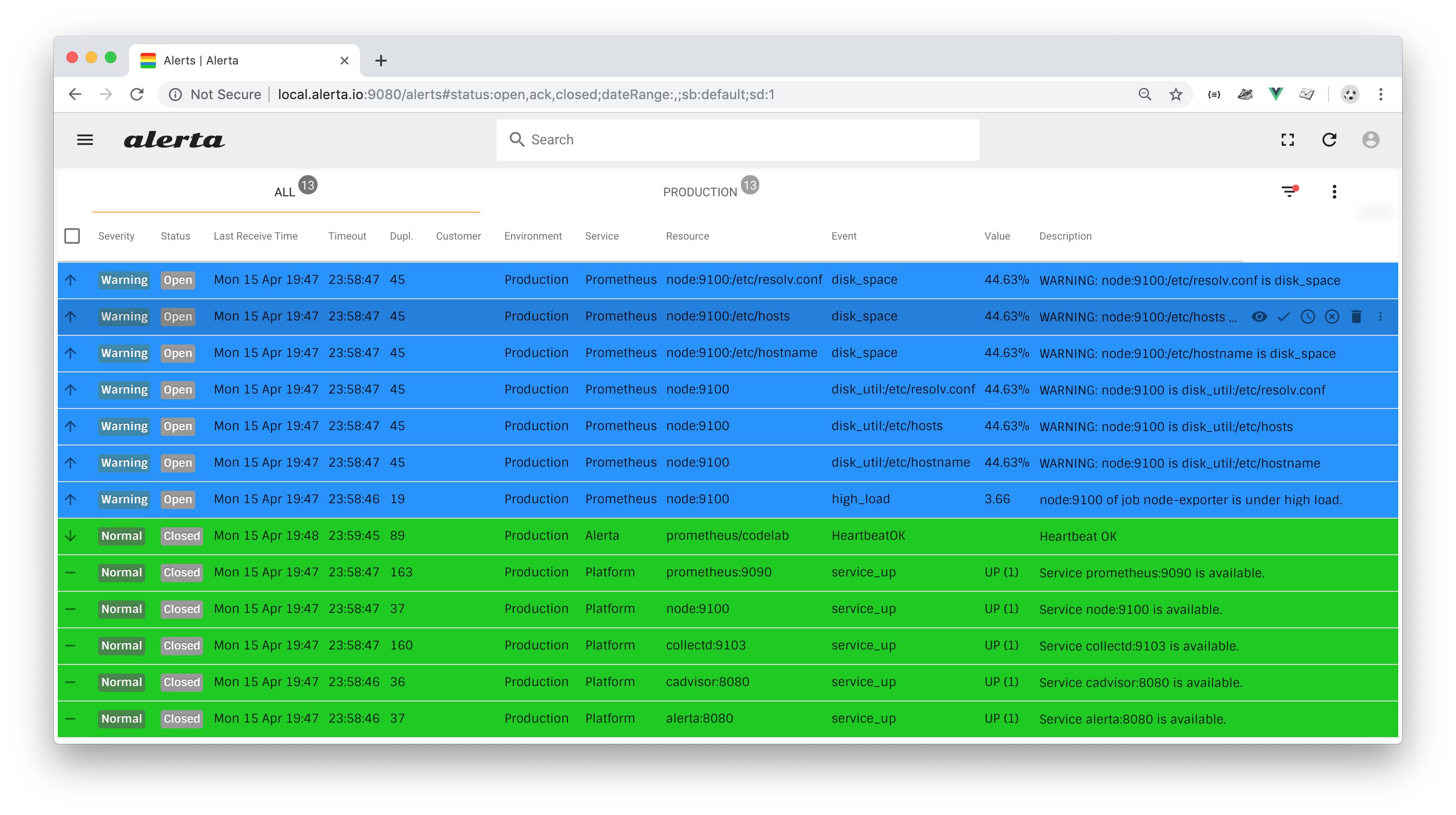
Powerful web interface Visualization by status, tags, and services. Quick search and convenient problem details.
-
Easy deployment Only two required dependencies — MongoDB or PostgreSQL. Everything else is optional:
pip install alerta-server alerta alertad run -
Production-ready Docker support, cloud deployment (AWS, GCP, Heroku), built-in fault tolerance mechanisms.
Technical Features
- Backend: Python 3.9+
- Databases: MongoDB 6.0+ or PostgreSQL 13+
- Architecture: Microservice, with REST API
- Logging: Flexible configuration via config:
DEBUG=True
LOG_HANDLERS = ['console','file']
LOG_FORMAT = 'verbose'
From Real Life: How Alerta Is Used
- Case 1: A team combined alerts from Prometheus, Nagios, and custom scripts, reducing incident response time by 40%
- Case 2: A startup configured automatic ticket creation in Jira for critical alerts
- Case 3: A company with distributed infrastructure centralized monitoring across three data centers
Verdict
Alerta is not another "revolutionary" monitoring solution, but a practical tool for those tired of alert chaos. I especially recommend it for:
- Teams with heterogeneous monitoring stacks
- Those who want to simplify on-call duty
- Open-source Python solution enthusiasts
Ready to bring your notifications in order? Documentation and configuration examples await you on the official website.
Related projects